

7 Treat Balls for Noise-Sensitive Dogs That Calm Fear
Last Updated: November 18, 2026
Quick Summary
Treat balls can help noise-sensitive dogs by giving them a focused, calming activity that slows eating and absorbs attention during stressful sounds like thunder or fireworks. They work best as enrichment, introduced slowly in a quiet room before any storm or fireworks, and they cannot cure a genuine phobia.
- Introduce the ball in a quiet room well before any storm or fireworks event.
- Start with the ball on the floor with no treats so the dog can investigate.
- Move back one step and shorten sessions if your dog startles at the ball's sound.
- Consult a veterinarian or behavior professional if progress stalls for two weeks.
- Always supervise your dog and remove the ball if it cracks or pieces break off.
Table of Contents
- Noise Sensitivity, Fear Response and Stress Signals
- How to Calm Noise-Sensitive Dogs Before You Add a Treat Ball
- Step-by-Step: Introducing a Treat Ball to a Sound-Sensitive Dog
- Best Treat Balls for Noise-Sensitive Dogs: Chewzzle Options Compared
- DIY Treat Balls for Noise-Sensitive Dogs: Safe Homemade Options
- Safety, Supervision and When a Treat Ball Is Not Suitable
- Troubleshooting When Your Dog Avoids or Startles at the Ball
- Start Your Dog's Quiet Enrichment Routine With the Right Ball
- Frequently Asked Questions
Noise-sensitive dogs often spend their days on alert, and a treat ball can give that restless energy a useful outlet. Treat balls are designed to slow eating and absorb a dog's attention, which can make a stressful afternoon of thunder or fireworks feel a little less overwhelming. Treat balls can help a sound-sensitive dog settle, but they work best when you understand what they can and cannot do. This guide covers how to choose and introduce treat balls, and when to look for other help.
Noise Sensitivity, Fear Response and Stress Signals
Noise sensitivity is a fear response to sounds such as thunder, fireworks, vacuums or construction. If you want broader strategies, read how to calm an anxious dog naturally. A dog that is noise-sensitive may pant, pace, hide, tremble, drool or try to escape when a sound begins.
Watch for early stress signals before the dog reaches full panic. Lip licking, yawning, whale eye and a tucked tail often appear first. Catching these signs early gives you time to move the dog to a quieter room and offer a calm activity.
Enrichment Versus Treatment: What a Treat Ball Can and Cannot Do
A treat ball is an enrichment tool, not a medical treatment. It gives the dog something to focus on, can slow fast eating, and provides a low-effort task that some dogs find soothing. For a dog that is only mildly bothered by noise, that distraction may be enough.
A treat ball cannot cure a genuine phobia. If your dog's fear is severe or getting worse, a veterinarian or a certified behavior professional can help build a plan that may include training or medication.
How to Calm Noise-Sensitive Dogs Before You Add a Treat Ball
Start by creating a quiet space your dog can retreat to. A crate or a small room with the blinds closed and a fan or soft music running can mask outside noise. Keep the space familiar, with a bed and a few favorite items.
Close windows and curtains before a storm or fireworks begin. For more ideas, see toy-based ways to keep a puppy calm during thunderstorms. Then offer a calm activity, such as gentle petting or a few easy chews.
Step-by-Step: Introducing a Treat Ball to a Sound-Sensitive Dog
This protocol is built for a dog that already shows mild to moderate noise sensitivity. It works best when you practice in a quiet room, well before any storm or fireworks event, so the ball is familiar before you need it. The goal is not to distract the dog during a loud event but to build a calm, predictable routine the dog can rely on when sounds do occur.
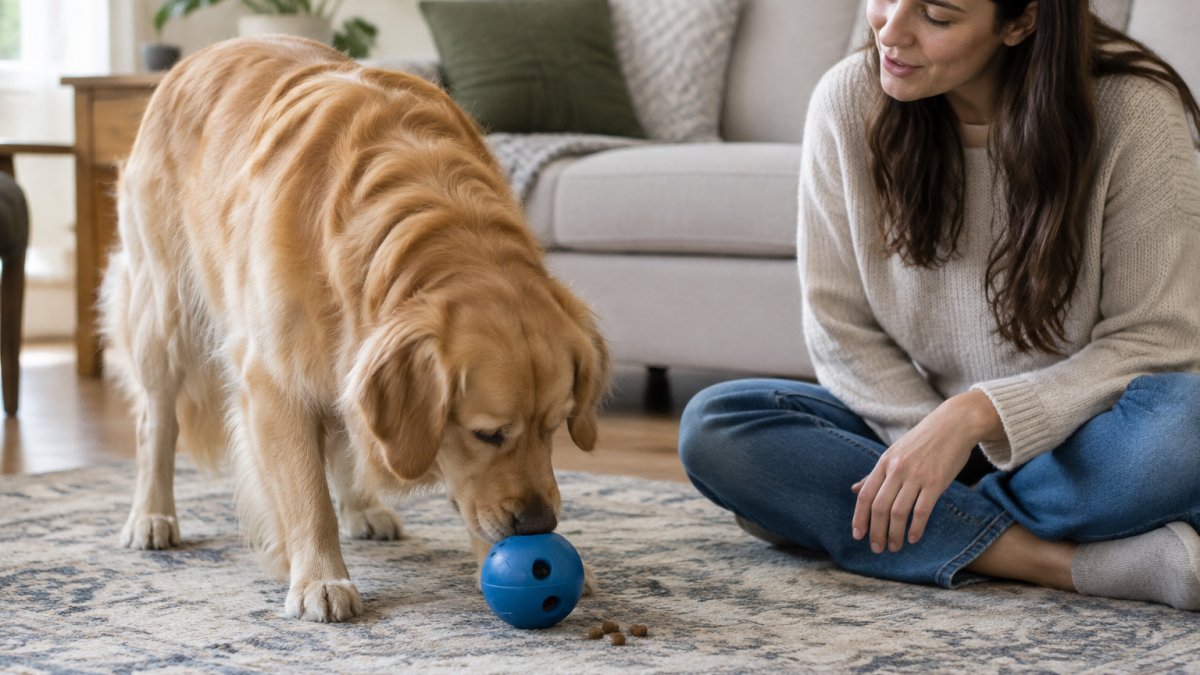
Step 1: Set the baseline (2-3 minutes). Put the ball on the floor with no treats inside and let your dog investigate at their own pace. Do not roll it, tap it, or encourage interaction. Watch the body language: a relaxed dog will sniff, nudge, or walk away and come back. A worried dog will freeze, tuck the tail, lip-lick, or avoid the area. If you see worry, remove the ball and end the session. Repeat this step on another day before moving on.
Step 2: Add scent, not sound (3-5 minutes). Place a few small, high-value treats inside the ball and set it down without rolling it. Let the dog smell the treats and work them out with the nose or a still paw. The ball should stay mostly stationary. This step teaches the dog that the ball predicts food without adding a new sound. Move on only when the dog approaches the ball willingly, eats the treats with a relaxed body, and returns for more.
Step 3: Introduce a single, gentle roll (3-5 minutes). With the dog watching, roll the ball one slow rotation across a carpeted floor so it makes the quietest possible sound. Stop the ball with your hand and let the dog investigate. Repeat two or three times per session. Move on only when the dog follows the roll, sniffs the ball, and shows no startle response, no head turn away, no backing up, no sudden freeze.
Step 4: Let the dog drive the sound (5 minutes). Place treats inside and let the dog push or paw the ball themselves. The dog controls the sound, which is the key difference from a sudden thunderclap. Keep sessions to five minutes or less and end while the dog is still engaged. Move on only when the dog pushes the ball repeatedly, eats the treats, and returns to the ball after a short break.
Step 5: Practice during mild background noise (5 minutes). Once the dog is comfortable with the ball in silence, run a session while a fan, soft music, or a television at low volume is playing. This is not a thunderstorm simulation, it is a gentle step toward working in a normal household sound environment. Move on only when the dog ignores the background sound and stays focused on the ball.
Step 6: Use the ball during a real but mild noise event. Offer the ball before the dog shows stress, not after. If the dog ignores the ball or startles, put it away and use a stationary food puzzle instead. Do not force interaction. A common pattern is that dogs accept the ball during mild rain or distant fireworks but not during a close strike, that is normal, and it means you should return to Step 5 for a few more sessions.
Watch out: If your dog startles at the ball's sound at any step, do not repeat the roll to "get them used to it." Move back one step, reduce the sound by rolling on carpet or by hand, and shorten the session. Flooding a noise-sensitive dog with the sound they fear can make the fear worse, not better.
Keep a simple log of each session: the step, the dog's body language, and whether they approached willingly. Progress varies by dog. A mildly sensitive dog may move through these steps in a few short sessions, while a dog with a stronger fear response may need more time at a single step. If your dog cannot progress past Step 2 after two weeks of short, calm sessions, that is a signal to consult a veterinarian or a certified behavior professional rather than push forward.
Best Treat Balls for Noise-Sensitive Dogs: Chewzzle Options Compared
Chewzzle offers three treat balls that suit different needs. Each one has its own strengths, so match the ball to your dog's habits and your household.
Chewzzle TreatDrop Ball ($14.99) is a good fit for owners who want a slow feeder that releases treats as the dog plays. Its textured silicone is designed to satisfy chewing instincts, and the gradual food release helps slow fast eaters.
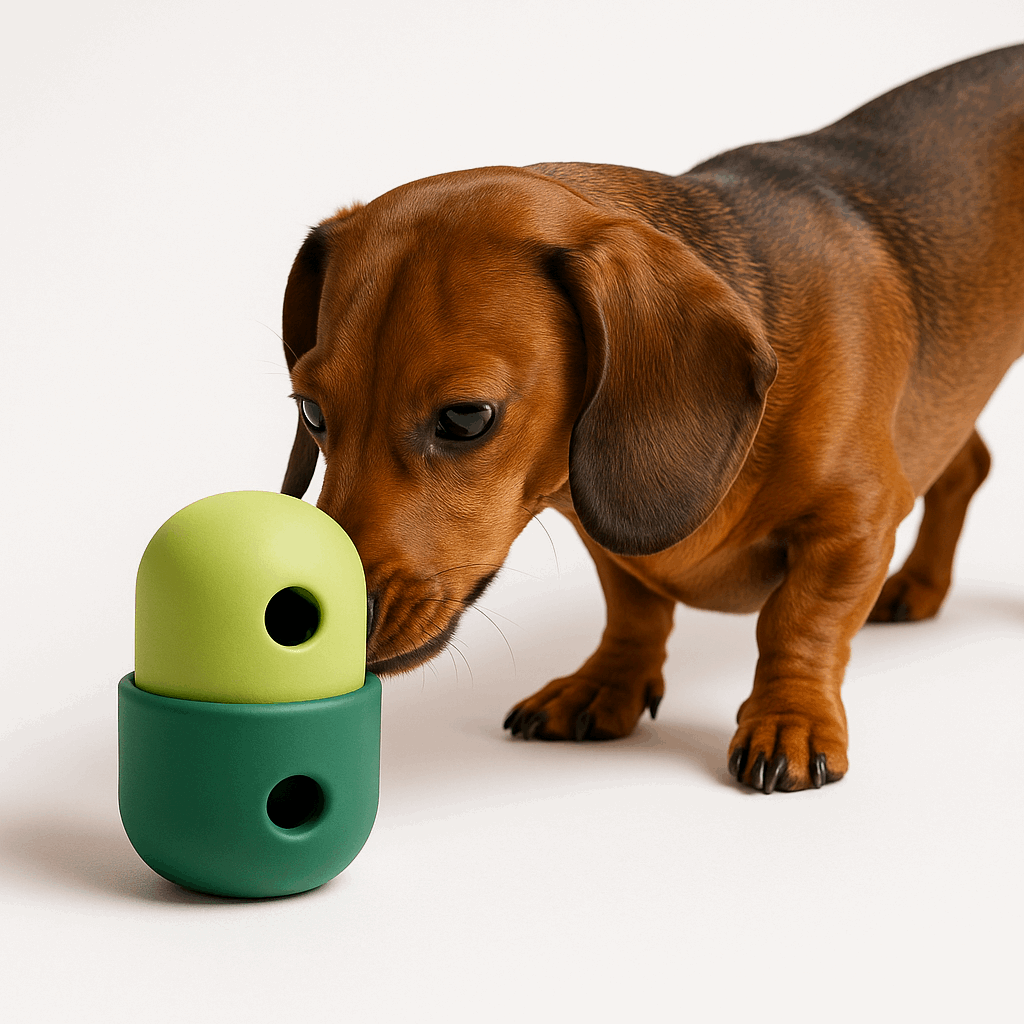
Chewzzle RollFeast Treat Ball ($9.99) suits dogs who enjoy rolling and nudging a toy. It dispenses treats as the dog plays, and it is designed for small and medium dogs.
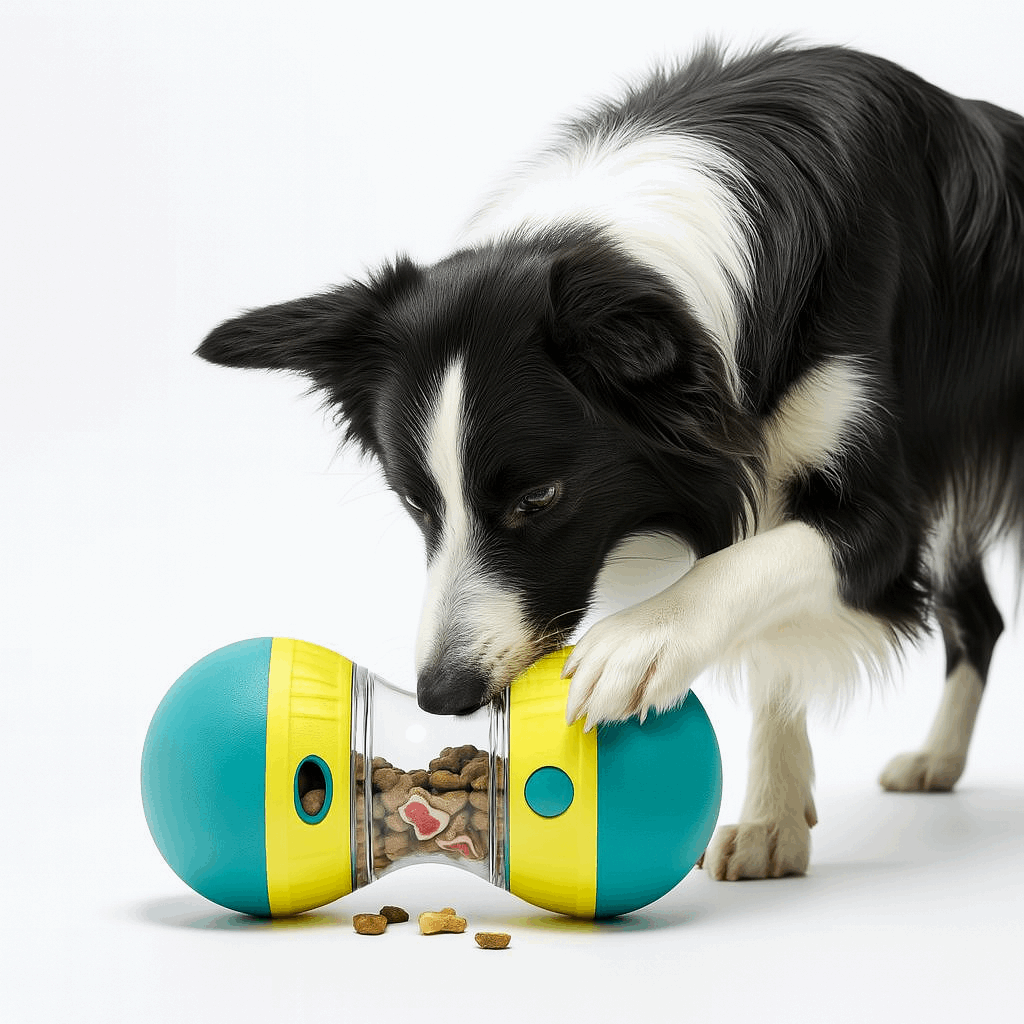
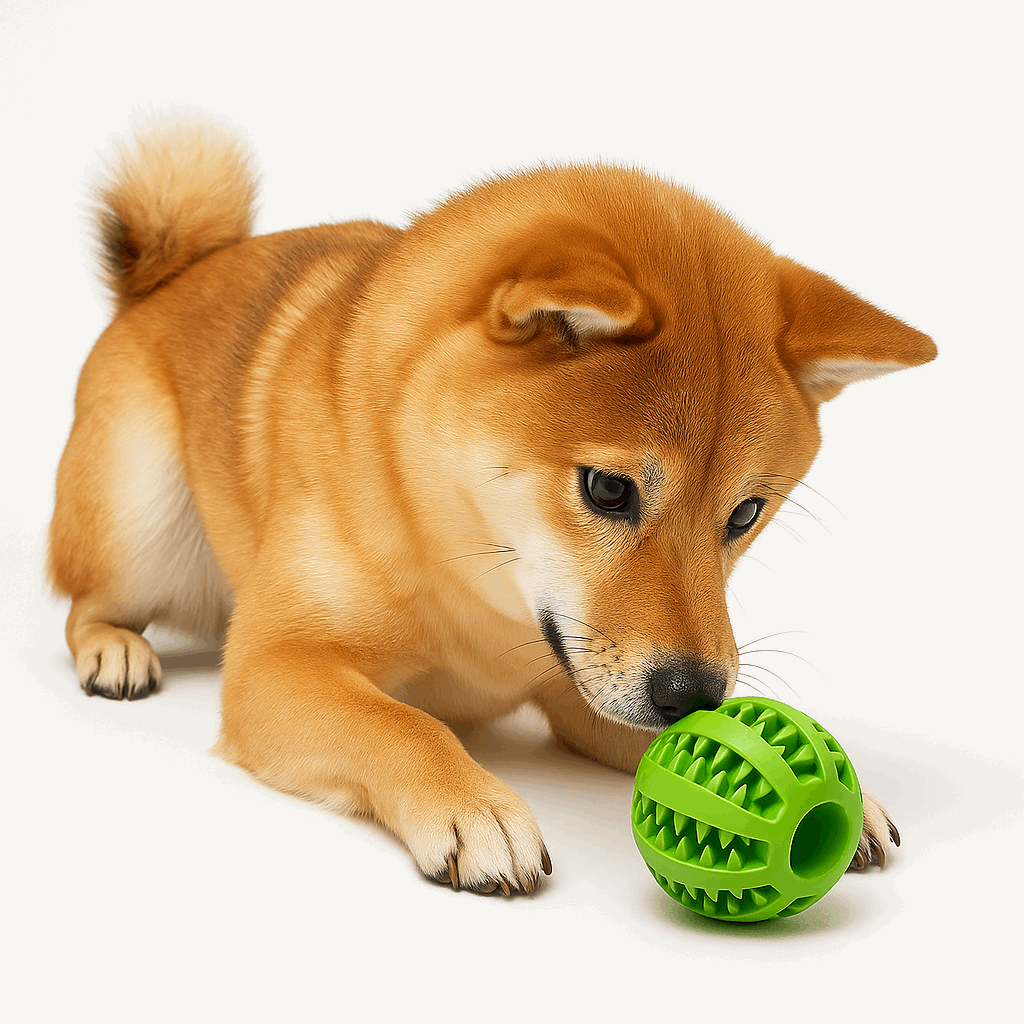
Chewzzle ChewClean Treat Ball ($9.99) is made from natural rubber and suits dogs who chew hard. It is a good option for fetch and reward training.
Choosing by Noise Level, Material and Dispensing Mechanism
Consider the sound a ball makes, the material it is made from and how it releases treats. A quieter ball may suit a sound-sensitive dog better. Softer materials are generally quieter than hard plastic, and a ball that releases treats gradually can keep a dog occupied for longer.
The three Chewzzle balls suit different dogs and households, so compare them side by side.
| Product | Price | Best for |
|---|---|---|
| Chewzzle TreatDrop Ball | $14.99 | Slow feeding and gradual treat release |
| Chewzzle RollFeast Treat Ball | $9.99 | Dogs who enjoy rolling and nudging; small and medium dogs |
| Chewzzle ChewClean Treat Ball | $9.99 | Hard chewers; natural rubber; fetch and reward training |
Price
DIY Treat Balls for Noise-Sensitive Dogs: Safe Homemade Options
You can make a simple treat ball from a clean, empty plastic bottle with the label removed. Cut a few openings only large enough for kibble to fall through, and check for sharp edges. Supervise your dog closely, because a homemade toy can break and create a choking risk.
Safety, Supervision and When a Treat Ball Is Not Suitable
Always supervise your dog with any treat ball. Remove the toy if it cracks, if pieces break off or if your dog swallows parts. Choose the right size so your dog cannot swallow the ball whole.
Do not use a treat ball as a substitute for veterinary care. If your dog has a medical condition, trouble swallowing or a history of choking, check with your veterinarian before you introduce a new toy.
Troubleshooting When Your Dog Avoids or Startles at the Ball
If your dog avoids the ball, make the treats easier to reach and keep the ball in a quiet place. If the ball startles your dog, move it farther away and try again at a lower volume.
Stop the session and reassess if your dog shows increasing fear. Return to earlier steps, and keep sessions short.
Start Your Dog's Quiet Enrichment Routine With the Right Ball
A calm, well-planned routine helps a noise-sensitive dog feel more secure. Start with one ball, introduce it slowly and watch how your dog responds. If you want a place to begin, the Chewzzle TreatDrop Ball is a good all-round choice, and you can explore the full range at Chewzzle when you are ready. Start your dog's quiet enrichment routine with the right ball today.
Frequently Asked Questions
How do I calm a noise-sensitive dog during loud sounds?
Move your dog to a quiet room away from the noise source, close the curtains, and play low background sound such as soft music or a white noise machine to mask sudden spikes. Stay calm and speak in a relaxed voice, since dogs read your tone. Offer a familiar chew or a treat ball filled with a few kibble pieces, but only if your dog will eat while the noise continues. If panting, pacing, trembling or hiding persists, reduce the sound further and contact your veterinarian about longer-term options.
Can a treat ball help a dog who is afraid of unfamiliar sounds?
A treat ball can help when it is introduced gradually in a quiet space and paired with positive experiences. Start with a ball that does not rattle or squeak much, and let your dog investigate it on its own terms. Give treats for approaching and nosing the ball, and keep sessions short. Avoid using the ball during a loud event for the first time, because a new sound combined with a new object can increase stress. Watch for body language signals of stress and stop the session if they appear.
Are tennis balls safe for dogs to chew?
Tennis balls are not a good choice for many dogs. The felt can wear off and be swallowed, and the hard rubber core can crack teeth or cause abrasion to gums. Dogs that compulsively chew can also break off pieces that cause choking or intestinal blockage. A solid, purpose-made rubber or silicone treat ball sized for your dog is a safer option, and you should supervise any chew toy and replace it when it shows damage.
When should I ask a veterinarian about my dog's noise sensitivity?
Contact your veterinarian if your dog's noise reactions are intense, getting worse, or affecting daily life. Warning signs include panic that does not settle after the sound stops, self-injury such as chewing paws or scratching doors, refusal to eat or go outside, house soiling, or aggression. A veterinarian can rule out pain or medical causes and discuss behavior modification, environmental changes and, when appropriate, medication. Do not give any medication to your dog without veterinary guidance.
