

How to Relieve Dog Boredom for Working Owners
Table of Contents
- Why Dog Boredom Matters for Working Owners
- How Long Can a Dog Be Left Alone During the Workday
- How to Keep a Dog Entertained While at Work
- Dog Enrichment Ideas for Working Owners
- Interactive Puzzle Toys for Dogs: Your Best Tool
- Distinguishing Boredom from Separation Anxiety and Distress
- Building a Sustainable Workday Routine for Your Dog
- Frequently Asked Questions
Last Updated: October 14, 2026
Why Dog Boredom Matters for Working Owners
Dog boredom is real, and learning how to relieve dog boredom for working owners is essential. They chew furniture, have accidents indoors, develop separation anxiety, and sometimes hurt themselves trying to escape.
The guilt is real. You're at work trying to focus, but you're worried about what your dog is doing at home. The good news: you don't have to feel that way.
Here's what happens when dogs get proper mental stimulation: they settle better, they sleep more, they're less destructive, and they're genuinely happier when you come home. This isn't about spoiling your dog.
How Long Can a Dog Be Left Alone During the Workday
Most healthy adult dogs can handle 4-6 hours alone comfortably. Puppies and senior dogs need more frequent breaks, ideally every 2-3 hours.
The real question isn't "How long?" but "What are they doing while they're alone?" A dog with proper enrichment can handle longer stretches. A bored dog starts showing stress signs after just a couple of hours.
If your work schedule means 8+ hours away, you have options:
- A dog walker or pet sitter who visits midday
- Doggy daycare a few days per week
- A trusted neighbor or friend
- A combination of enrichment tools that keep your dog engaged throughout the day
The key is breaking up the day. Even a 30-minute midday break makes a huge difference in your dog's stress levels and behavior.
How to Keep a Dog Entertained While at Work
Knowing how to relieve dog boredom for working owners isn't about one solution. It's about layering multiple strategies so your dog has different activities throughout the day.
Pre-Departure Exercise and Mental Preparation
Start your workday before you leave the house. A tired dog is a calm dog.
After exercise, add mental work. Spend 10 minutes on training, commands, or a quick puzzle toy session.
The timing matters. Exercise and mental work right before you leave helps your dog transition into alone time more smoothly.
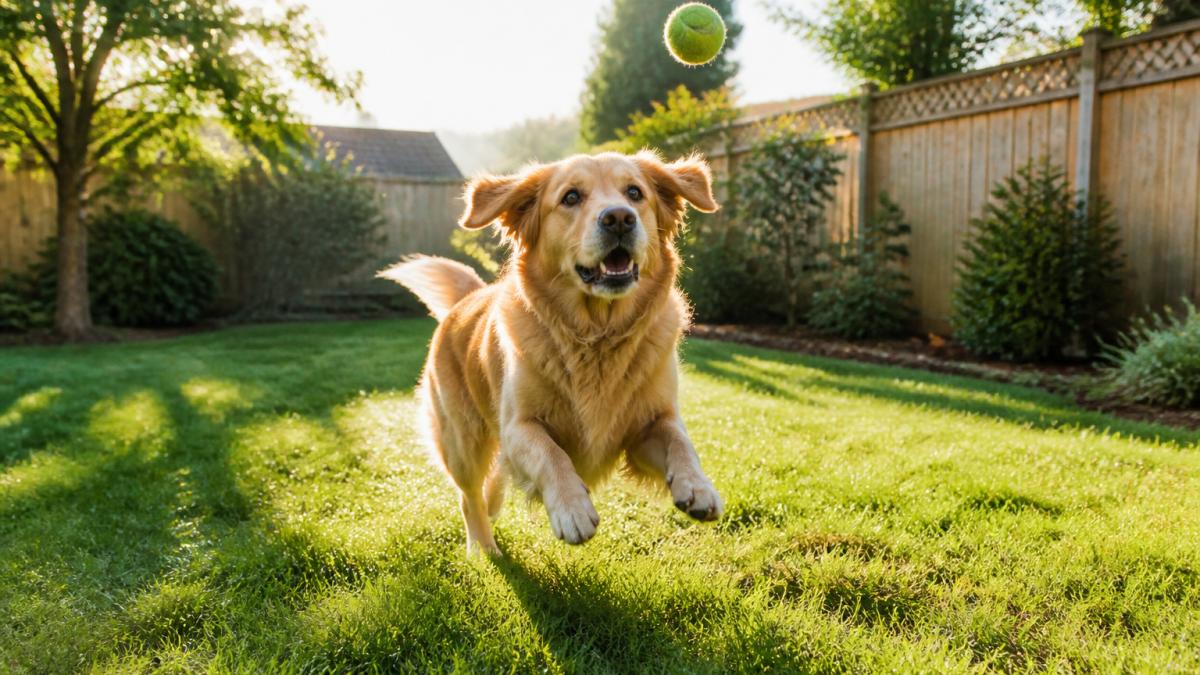
Environmental Enrichment and Sensory Stimulation
Your dog's environment matters. Don't just leave them in a blank room. Create a space that engages their senses.
Set up a window perch where your dog can watch the outside world.
Leave the TV or a dog-specific audio channel on in the background. Soft music or nature sounds can help calm anxious dogs.
Rotate toys and activities so nothing gets stale. If your dog sees the same toy every single day, it becomes background noise.
Leave safe chewing materials available:
- Cardboard boxes (supervised initially)
- Paper bags
- Old newspapers
- Safe natural items like untreated wood
Dog Enrichment Ideas for Working Owners
Strategic enrichment is the foundation of keeping your dog entertained while you work. The goal is variety, different activities that engage different parts of your dog's brain.
Food-Based Enrichment and Slow Feeders
Food is motivation. Use it strategically. Instead of feeding your dog from a regular bowl in 30 seconds, turn mealtime into an activity that lasts 10-15 minutes.
Slow feeders and puzzle feeders force your dog to work for their food. This serves multiple purposes:
- Slows down eating (prevents bloating and gulping)
- Provides mental stimulation
- Keeps your dog occupied for longer
- Makes mealtime feel like an event, not a chore
The Chewzzle ThinkDisc Puzzle Feeder ($19.99) uses sliding covers and a turning center wheel to hide kibble. Your dog has to solve the puzzle to access their meal.
For faster eaters, the Chewzzle PuzzleFeast Sliding Puzzle ($49.99) reveals one treat at a time.

Other food-based enrichment ideas:
- Freeze treats in ice (dogs lick and work at it)
- Scatter kibble around the room instead of using a bowl
- Use a snuffle mat (dogs root through fabric strips to find treats)
- Fill a Kong toy with peanut butter or wet food and freeze it
Chewing and Licking Activities
Chewing is a natural stress reliever for dogs. It calms their nervous system and gives them something to focus on. The key is providing safe chewing options that last.
Licking is similarly calming. A lick mat smeared with peanut butter or wet food can occupy a dog for 20-30 minutes. The repetitive licking action is soothing and reduces anxiety.
Safe chewing options for unsupervised time:
- Rubber chew toys (verify they're non-toxic)
- Natural rubber toys designed for aggressive chewers
- Bully sticks or yak chews (monitor to ensure they don't break into pieces)
- Rope toys (only if your dog doesn't shred them)
- Antlers or hard chews (supervise initially to ensure your dog doesn't crack teeth)
The mistake most owners make is leaving the same chew toy out every day. Your dog gets bored. Rotate your chew toys.
Scent Games and Foraging
Dogs experience the world through smell.
Hide treats around your home or in specific areas before you leave. Your dog spends time sniffing and searching.
Use boxes or bags filled with crumpled paper or fabric. Hide treats inside.
Create a "sniff box", a container filled with different safe scents (mint leaves, cinnamon, dog-safe herbs). Dogs enjoy exploring new smells.
The beauty of scent games is they're free or nearly free, and they're endlessly variable. Every day can feel different to your dog.
Interactive Puzzle Toys for Dogs: Your Best Tool
Puzzle toys are the most effective single tool for keeping working dogs entertained. They combine mental stimulation, food motivation, and extended engagement into one activity.
How Puzzle Toys Reduce Boredom and Anxiety
Puzzle toys work because they tap into your dog's natural problem-solving instinct. Your dog isn't just eating, they're working, thinking, and earning their reward.
A dog that's mentally stimulated settles better, sleeps more, and shows fewer anxiety behaviors. They're also less likely to develop destructive habits because they have a productive outlet for their energy and focus.
The Chewzzle MindMaze IQ Puzzle ($29.99) dispenses treats as your dog learns to unlock hidden rewards.

Choosing the Right Puzzle Toy for Your Dog
Puzzle toy selection matters. A toy that's too easy gets boring. A toy that's too hard gets frustrating.
Consider your dog's size, age, and motivation level:
- Small dogs: smaller puzzle toys with easier mechanisms
- Large dogs: sturdy toys that won't break under pressure
- Puppies: simpler puzzles that build confidence
- Anxious dogs: toys that provide food rewards (food is calming)
- Smart dogs: challenging multi-step puzzles
Start with a moderately difficult puzzle. Watch your dog solve it a few times.
The Chewzzle SmartPaws Interactive Puzzle ($39.99) offers scalable difficulty. You control how challenging it is by adjusting treat placement. This means one toy grows with your dog.
Rotate puzzle toys. Use different ones on different days so your dog doesn't memorize the solution and lose interest.
Distinguishing Boredom from Separation Anxiety and Distress
Here's where many owners get confused: not every problem behavior is boredom. Sometimes it's separation anxiety, medical issues, or genuine distress.
Boredom looks like:
- Destructive chewing or digging (targeted at toys or safe items)
- Restlessness or pacing
- Excessive barking or vocalization
- General mischief when left alone
Separation anxiety looks like:
- Panic, panting, or drooling when you prepare to leave
- Destructive behavior focused on exits or windows (trying to escape)
- Excessive vocalization that sounds distressed, not bored
- Accidents indoors even if your dog is housetrained
- Self-injury attempts (scratching at doors, jumping through windows)
- Refusal to eat or drink while alone
If your dog shows separation anxiety signs, enrichment helps but isn't the complete solution. Talk to your vet or a certified dog behaviorist. Anxiety often requires a combination of training, sometimes medication, and gradual desensitization to alone time.
Medical issues can also cause behavior changes. If your dog suddenly starts acting out or shows new anxiety, rule out health problems first.
Building a Sustainable Workday Routine for Your Dog
Consistency is everything. Dogs thrive on routine. A predictable day reduces anxiety and helps your dog settle.
Here's a sample workday schedule:
| Time | Activity | Duration | Purpose |
|---|---|---|---|
| Before work | Exercise (walk, fetch, play) | 20-30 min | Burn physical energy |
| Before work | Training or mental work | 10 min | Tire brain, signal day is starting |
| Mid-morning | Puzzle toy or food enrichment | 15-20 min | Mental engagement |
| Midday | Dog walker visit or midday break | 30 min | Bathroom break, interaction, reset |
| Afternoon | Chew toy or lick mat | 20-30 min | Calm activity, stress relief |
| Before you return | (automated if possible) | , | Your dog settles into nap |
| When you arrive home | Calm greeting, short walk | 15 min | Transition back to interaction |
This schedule isn't rigid. Adjust it to your life. The key is:
- Morning exercise and mental work before you leave
- Varied activities spaced throughout the day
- A midday break if possible (even 30 minutes helps)
- Calm transitions when you leave and return
Track what works. Keep notes on which enrichment activities your dog engages with most. Use those regularly. Rotate the rest to maintain novelty.
Over time, you'll develop a rhythm that keeps your dog calm, engaged, and happy while you're at work.
Leaving your dog alone while you work is a real challenge, but it doesn't have to mean a bored, anxious, or destructive dog.
Frequently Asked Questions
How do I know if my dog is bored versus experiencing separation anxiety?
Boredom typically shows as destructive behavior directed at objects (chewed furniture, torn cushions), excessive barking, or pacing that stops once you return or provide engagement. Separation anxiety involves panic behaviors like destructive patterns focused on exits, excessive salivation, or elimination indoors, and the distress peaks when you leave or returns intensely when you arrive. A bored dog will engage with puzzle toys and enrichment; an anxious dog may ignore them entirely. If your dog shows signs of true anxiety, consult your veterinarian or a certified animal behaviorist before relying solely on enrichment.
Will interactive puzzle toys actually work for a dog who eats too fast?
Yes. Puzzle toys like the Chewzzle PuzzleFeast Sliding Puzzle are specifically designed to slow fast eaters by dispensing one treat or kibble piece at a time. Instead of a bowl that disappears in seconds, the same portion of food takes several minutes to consume. This paces your dog's eating, reduces bloating risk, and turns mealtime into mental work. Most food-motivated dogs figure out the first compartment within a few minutes, then progress through the rest. Start with buttons partly open so your dog can see and smell the reward, and supervise the first few sessions.
How long can I safely leave my dog alone during a workday?
Adult dogs (over 18 months) can typically manage 6-8 hours alone with proper enrichment and a midday break. Puppies under 6 months need a bathroom break every 2-3 hours and should not be left alone for more than 3-4 hours at a stretch. Senior dogs may need more frequent breaks. The key is not just duration but what your dog does during that time, a dog with enrichment, exercise beforehand, and mental stimulation handles alone time far better than one left with nothing to do. If you work a full 8-hour day, consider a dog walker, pet sitter, or doggy daycare to break up the time.
What makes Chewzzle puzzle toys different from other options out there?
Chewzzle puzzle toys are made from non-toxic, BPA-free plastic and designed with adjustable difficulty levels that grow with your dog's problem-solving skills. Models like the MindMaze IQ Puzzle ($29.99) and SmartPaws Interactive Puzzle ($39.99) combine treat dispensing with durable construction meant to withstand repeated use. The PuzzleFeast Sliding Puzzle ($49.99) specifically addresses fast eaters with its one-treat-at-a-time design and non-slip base. Unlike toys that fall apart quickly, Chewzzle products prioritize durability and safety, and they're designed for all dog sizes. They turn mealtime into brain training rather than a mindless gulp, making them ideal for working owners who need enrichment that actually works.