

How to Spot the Signs of Digestive Issues in Dogs
Last Updated: October 27, 2026
Quick Summary
Signs of digestive issues in dogs can include softer stool, skipping a meal, lip licking, or a gurgling belly. You can keep track of appetite, stool, energy, and belly comfort. Vomiting and diarrhea are the two loudest signals of gastrointestinal upset.
- Vomiting involves heaving and retching, while regurgitation brings food up with no effort.
- A dog that vomits water back up repeatedly should be seen the same day.
- Diarrhea lasting more than 24-48 hours means you should call the vet.
- A hard, swollen, painful abdomen with unproductive retching is an emergency.
- Puppies and small breeds dehydrate faster with vomiting or diarrhea.
Table of Contents
- Recognizing the Early Signs of Digestive Issues in Dogs
- Dog Vomiting and Diarrhea: What These Signs Tell You
- Appetite Loss, Weight Loss, and Changes in Eating Habits
- Abdominal Pain, Bloating, and Other Discomfort Signals
- When to Take a Dog to the Vet for Diarrhea or Other Warning Signs
- Dog Eating Too Fast Symptoms and How They Affect Digestion
- How a Slow Feeder for Dogs Supports Healthier Digestion
- Choosing the Right Chewzzle Toy for Your Dog's Needs
- Frequently Asked Questions
Recognizing the Early Signs of Digestive Issues in Dogs
Signs of digestive issues in dogs can include softer stool, skipping a meal, lip licking, or a gurgling belly.
Digestive issues in dogs cover a lot of ground. They range from a one-day upset stomach to long-term conditions that need ongoing care.
You can keep track of appetite, stool, energy, and belly comfort.
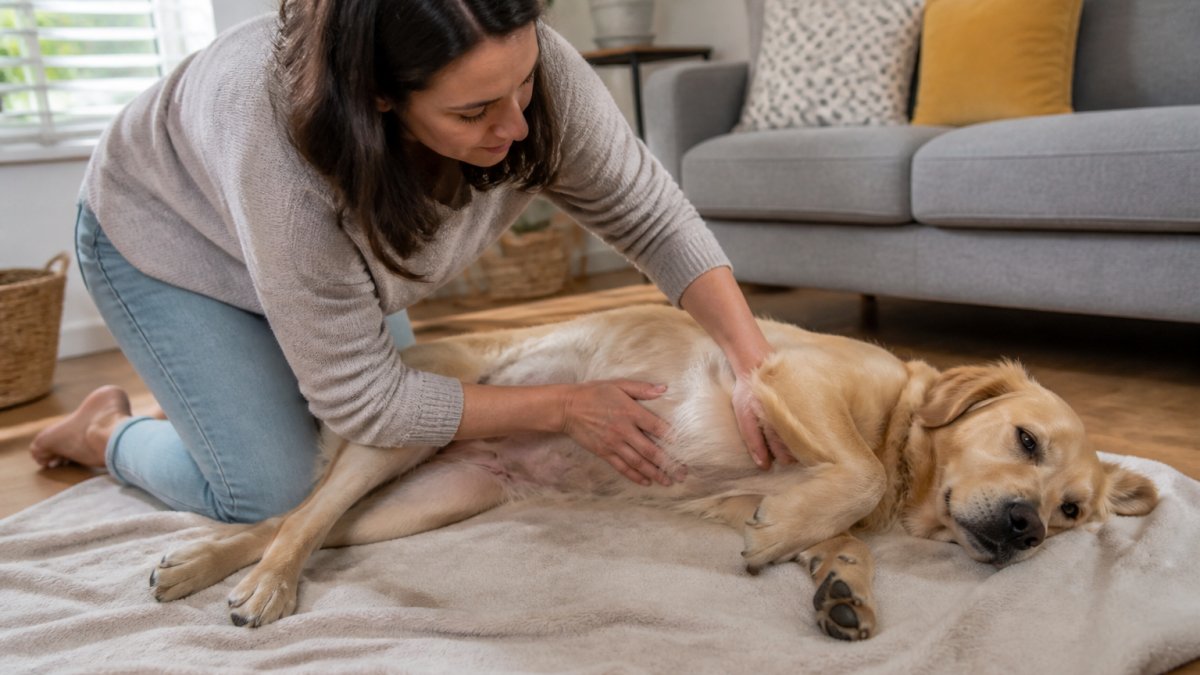
Dog Vomiting and Diarrhea: What These Signs Tell You
Vomiting and diarrhea are the two loudest signals of gastrointestinal upset, and they usually point to a problem in the stomach or intestines. One episode often means nothing. Repeated episodes tell a different story, and the difference between "watch it" and "call now" usually comes down to frequency, duration, and what the material looks like.
Vomiting vs. regurgitation
These look similar to an owner but mean different things. Vomiting involves heaving, retching, and often bile or digested food. Regurgitation is food or water coming back up with no effort at all, often shortly after eating, it points more toward the esophagus than the stomach. Note which one you are seeing, because it changes what your veterinarian will investigate.
What to note about vomit
- Ability to keep water down: A dog that vomits water back up within minutes, repeatedly, is at risk of dehydration and should be seen the same day.
What to note about diarrhea
- Accompanying signs: Diarrhea paired with vomiting, lethargy, refusal to drink, or blood is a same-day call.
The look-alike emergency
Unproductive retching, heaving with nothing coming up, combined with a swollen or tight abdomen, restlessness, or collapse is not routine stomach upset. It can signal a life-threatening emergency, and the correct response is immediate veterinary care rather than home monitoring.
What to record before you call
For a full breakdown of the signs that matter most, see our guide to signs of dog bloat from fast eating.
Appetite Loss, Weight Loss, and Changes in Eating Habits
Keep a simple log:
- How much food goes in, and how much is left behind
- Any change in eating speed or food guarding
- Whether your dog is eating grass or eating stool
- Weight checks every couple of weeks
Abdominal Pain, Bloating, and Other Discomfort Signals
Abdominal discomfort in dogs rarely looks like a dog clutching its stomach. It looks like restlessness, a tender abdomen when touched, or a swollen abdomen that feels tight. Because dogs mask pain well, the earliest clues are usually behavioral rather than obvious.
What discomfort can look like
- Gas and gurgling: Audible stomach noise with a tight or distended belly after meals.
Severity tiers: monitor vs. call vs. emergency
- Emergency: A hard, swollen, painful abdomen; unproductive retching; collapse; pale gums; severe restlessness; or a dog that cannot get comfortable. These can indicate a life-threatening condition and should not be monitored at home.
Why age, size, and health status change the timeline
A puppy, a senior dog, a small breed, or a dog with a chronic condition has less reserve. Puppies and small breeds dehydrate faster with vomiting or diarrhea; senior dogs may have underlying organ or metabolic issues that make routine upset more serious; dogs with chronic gastrointestinal disease can deteriorate quickly. For these dogs, the threshold for calling the veterinarian is lower, often same-day rather than watch-and-see.
What to record before calling
If you spot early warning signs and want natural ways to strengthen your dog's gut, our article on improving dog gut health naturally walks through the options.
When to Take a Dog to the Vet for Diarrhea or Other Warning Signs
| Symptom | Watch at Home | Call the Vet | Emergency |
|---|---|---|---|
| Diarrhea | 1 soft stool, normal energy | More than 24-48 hours | Blood in stool with weakness |
| Vomiting | One episode, dog is bright | Repeated vomiting | Unproductive retching, swollen belly |
| Appetite | Skips one meal | Skips two or more | Refuses water for a day |
| Belly | Slight gurgling | Tender to touch | Hard, swollen, painful |
Before you call, jot down symptom frequency, duration, stool consistency and color, and how much your dog is drinking. That record saves time and helps your vet decide fast. The Merck Veterinary Manual is a solid reference for understanding what these signs can mean.
Dog Eating Too Fast Symptoms and How They Affect Digestion
The fix is straightforward. Our step-by-step guide on how to stop your dog eating too fast covers seven proven methods, from bowl design to meal splitting.
How a Slow Feeder for Dogs Supports Healthier Digestion
- Mental stimulation that mimics natural foraging
Our slow feeders are made from durable, non-toxic materials.
Choosing the Right Chewzzle Toy for Your Dog's Needs
If your dog has a delicate stomach, our roundup of puzzle feeders for dogs with sensitive stomachs is a good next read.
Frequently Asked Questions
How can I tell if my dog has bad gut health?
Watch for patterns rather than one-off events. Recurring loose stool, frequent gas, vomiting more than once a month, eating grass or stool, a dull coat, and changes in appetite all point to ongoing digestive issues in dogs. Keep a simple log of stool consistency, meal times, and any vomiting so you can spot trends. If two or more of these signs appear together for more than a few days, have your veterinarian assess your dog.
When should I call a vet about my dog's vomiting or diarrhea?
Call your vet the same day if your dog has vomited more than twice in 24 hours, has diarrhea lasting longer than 48 hours, or shows lethargy, blood in stool or vomit, or refuses water. Puppies, senior dogs, and dogs with existing health conditions should be seen sooner. Frequent vomiting and diarrhea can cause dehydration quickly, so do not wait for a week of symptoms before seeking veterinary care.
Can eating too fast cause digestive problems in dogs?
Yes. Dogs that gulp their food swallow large amounts of air, which can lead to bloating, gas, and in deep-chested breeds a serious condition called gastric dilatation-volvulus. Dog eating too fast symptoms include burping, drooling right after meals, restlessness, and a visibly swollen abdomen. A slow feeder for dogs spreads the meal out and encourages slower, more deliberate eating, which reduces air intake and supports healthier digestion.
What are the warning signs of a serious digestive issue in dogs?
Seek emergency care for a hard or swollen abdomen, unproductive retching, blood in vomit or stool, collapse, pale gums, or severe abdominal pain when touched. These can signal bloat, obstruction, or internal bleeding rather than a routine stomach upset. For less dramatic signs, record symptom frequency and duration, hydration, and appetite, and share that record with your vet so they can triage quickly.
Most dogs will show at least one digestive warning sign this year, and the owners who catch it early are the ones who avoid the vet bill and the worry. At Chewzzle, we make interactive puzzle toys and slow feeders that turn mealtime into a calmer, healthier ritual, with durable non-toxic materials, foraging-style challenges, and designs that slow gulping at the source. Get started with Chewzzle and give your dog a mealtime that supports digestion instead of stressing it.
